Indoor gaming has undergone a massive transformation over the past century. What began as simple games played on a living room floor has scr2u blossomed into a multi-billion-dollar global industry, blending entertainment, education, and even fitness. From classic board games to hyper-realistic virtual reality (VR) environments, the world of indoor gaming reflects human creativity, technological advancement, and the desire for shared experiences. This article explores the fascinating journey of indoor gaming—from its humble beginnings to the cutting-edge technologies of today.
- The Early Days: Board Games and Family Fun
Long before video screens and motion controllers existed, indoor gaming was largely centered around board games. Classics like Chess, Checkers, Backgammon, and Go date back thousands of years. In the 20th century, board games like Monopoly (1935), Scrabble (1938), and Risk (1957) became household staples.
These games were often designed for family interaction, offering a chance to bond, compete, and learn social skills like turn-taking, strategy, and negotiation. Many of these games are still popular today, continuing to bring generations together around the dining table.
- The Rise of Electronic Gaming: Arcades and Consoles
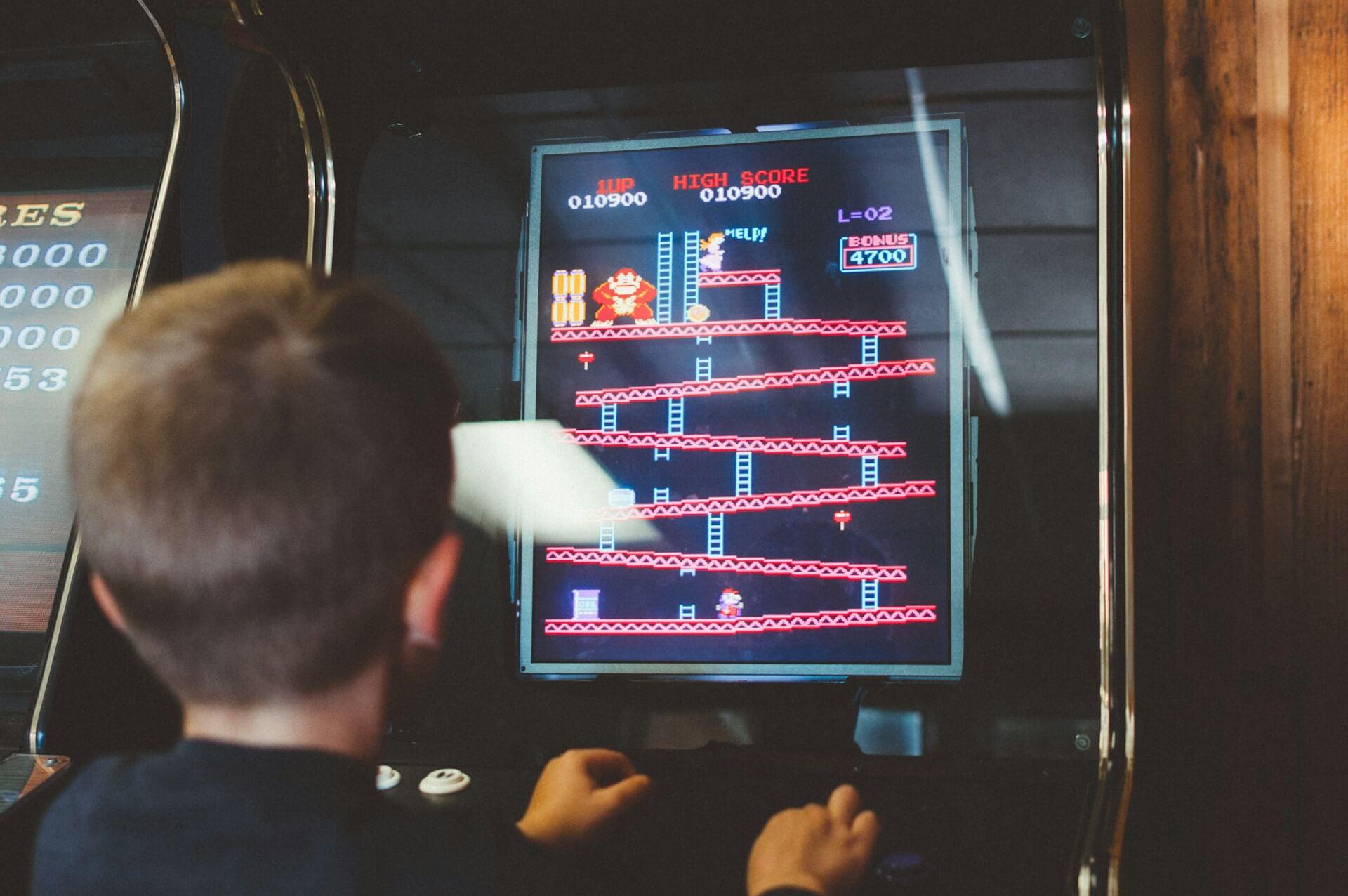
The late 1970s and early 1980s ushered in a new era with the emergence of electronic gaming. The arrival of arcade machines like Pac-Man, Space Invaders, and Donkey Kong sparked a cultural phenomenon. Soon after, home consoles like the Atari 2600 and Nintendo Entertainment System (NES) allowed families to bring the arcade experience into their living rooms.
These systems revolutionized indoor gaming by introducing new interactivity, graphics, and competitive gaming from the comfort of home. Kids were no longer limited to board games; they could now battle aliens, race cars, and save princesses with a controller in hand.
- The Console Wars and the Golden Age of Indoor Gaming
The 1990s and 2000s saw fierce competition between gaming giants like Nintendo, Sony (PlayStation), and Microsoft (Xbox). This period is often referred to as the Golden Age of Console Gaming.
Games became more immersive, with 3D graphics, detailed storytelling, and multiplayer features. Franchises like Mario Kart, Final Fantasy, Halo, and Call of Duty became cultural landmarks. Split-screen and LAN party gaming brought groups of friends together in the same room for hours of entertainment.
These decades also introduced portable consoles (Game Boy, PSP), allowing for indoor gaming on-the-go—a precursor to the mobile gaming boom.
- The Online Revolution: Connecting Players Worldwide
The mid-2000s brought widespread internet access, transforming indoor gaming into a connected, global experience. Services like Xbox Live and PlayStation Network allowed gamers to compete, cooperate, and communicate with others across the world.
Massively multiplayer online games (MMOs) like World of Warcraft and online shooters like Fortnite redefined the gaming landscape. Online gaming blurred the line between indoor play and digital community building, giving rise to esports, streamers, and a global gaming culture.
- Mobile Gaming and Casual Play
The rise of smartphones and tablets added a new dimension to indoor gaming. Games like Angry Birds, Candy Crush, and Among Us proved that even casual, simple games could become global hits.
Mobile gaming made indoor gaming more accessible to all ages, demographics, and skill levels. Anyone with a phone could now be a gamer, even if they never touched a console.
Additionally, platforms like Apple Arcade and Google Play Pass brought subscription-based gaming models into homes, changing how people accessed and paid for games.
- Virtual Reality and the Future of Immersive Play
One of the most exciting developments in indoor gaming is Virtual Reality (VR). With headsets like the Meta Quest, HTC Vive, and PlayStation VR, players are no longer just controlling characters—they’re inside the game.
VR gaming provides full-body immersion, with users physically moving, interacting with virtual environments, and even experiencing haptic feedback. Titles like Beat Saber, Half-Life: Alyx, and Job Simulator showcase the incredible potential of VR for entertainment, education, and fitness.
The evolution continues with augmented reality (AR), mixed reality, and the integration of AI-powered NPCs and procedural storytelling.
- Social and Educational Impact
Indoor gaming has become more than just entertainment. It’s a learning tool, creative outlet, and social lifeline. Games like Minecraft are used in classrooms to teach subjects like math, history, and coding. Platforms like Roblox empower young users to design and share their own games.
During the COVID-19 pandemic, indoor games became essential for mental health and social connection, helping people stay in touch while isolated.
Conclusion: From Pastime to Lifestyle
Indoor gaming has evolved from a simple pastime into a rich and diverse ecosystem that reflects changes in society, technology, and culture. Whether it’s playing chess with a grandparent, exploring VR worlds, or teaming up with global players in an online battle, indoor gaming has become an integral part of how we live, learn, and connect.
 Site Title